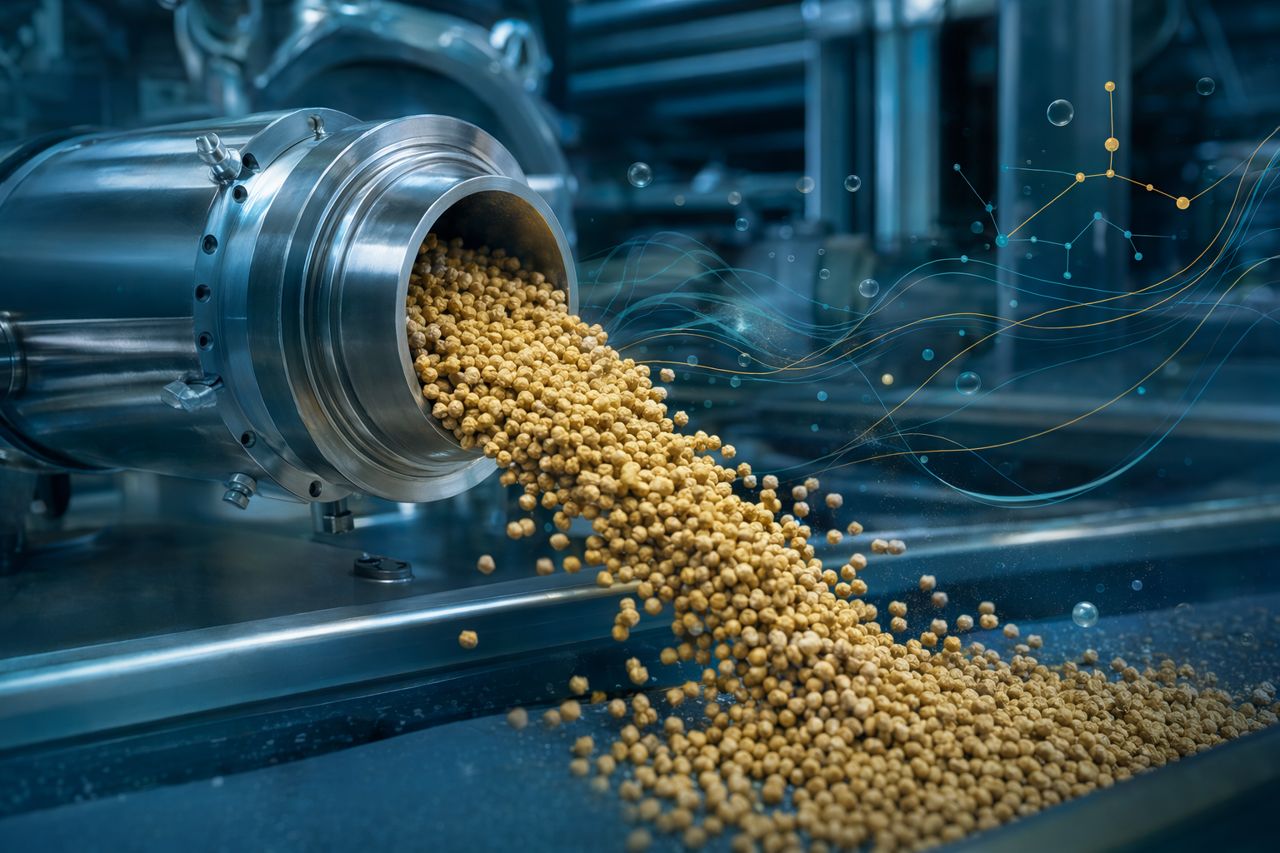
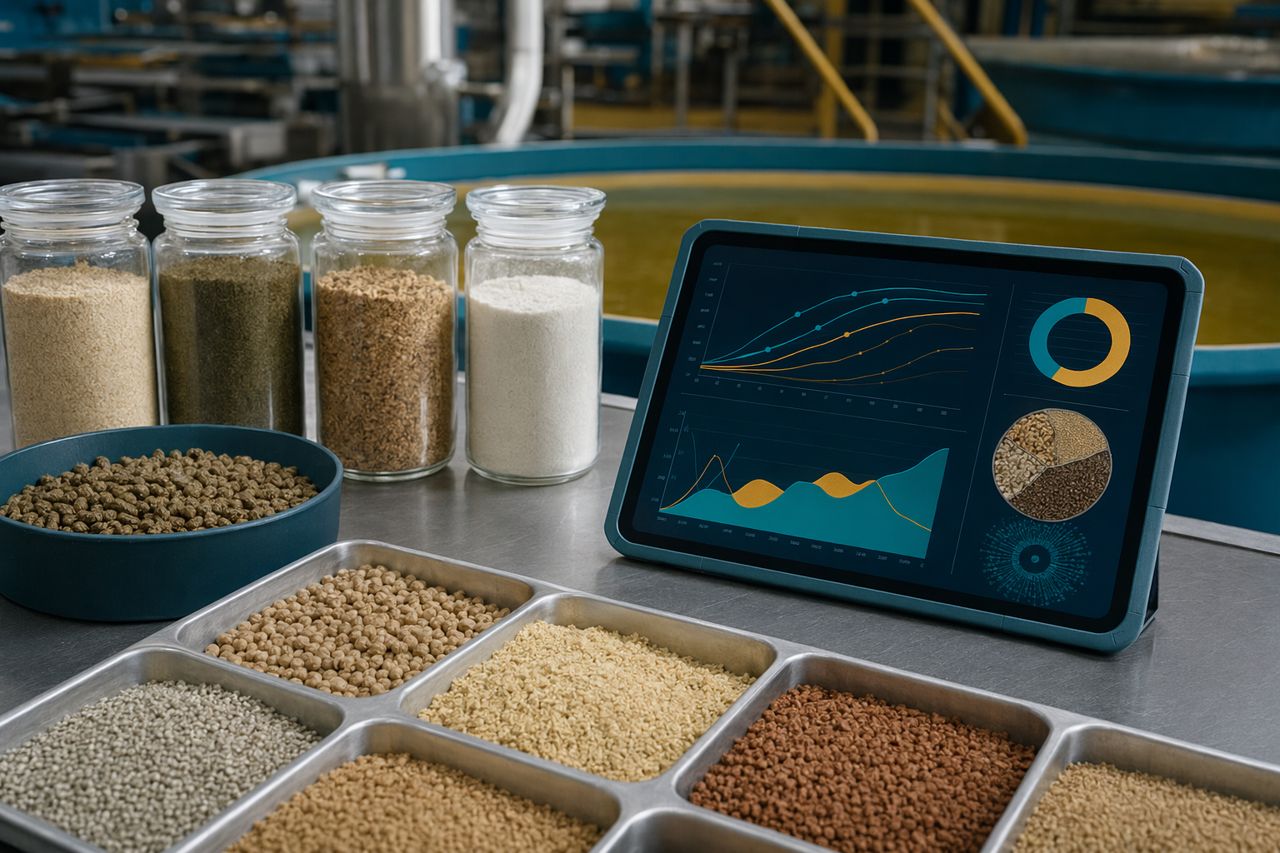
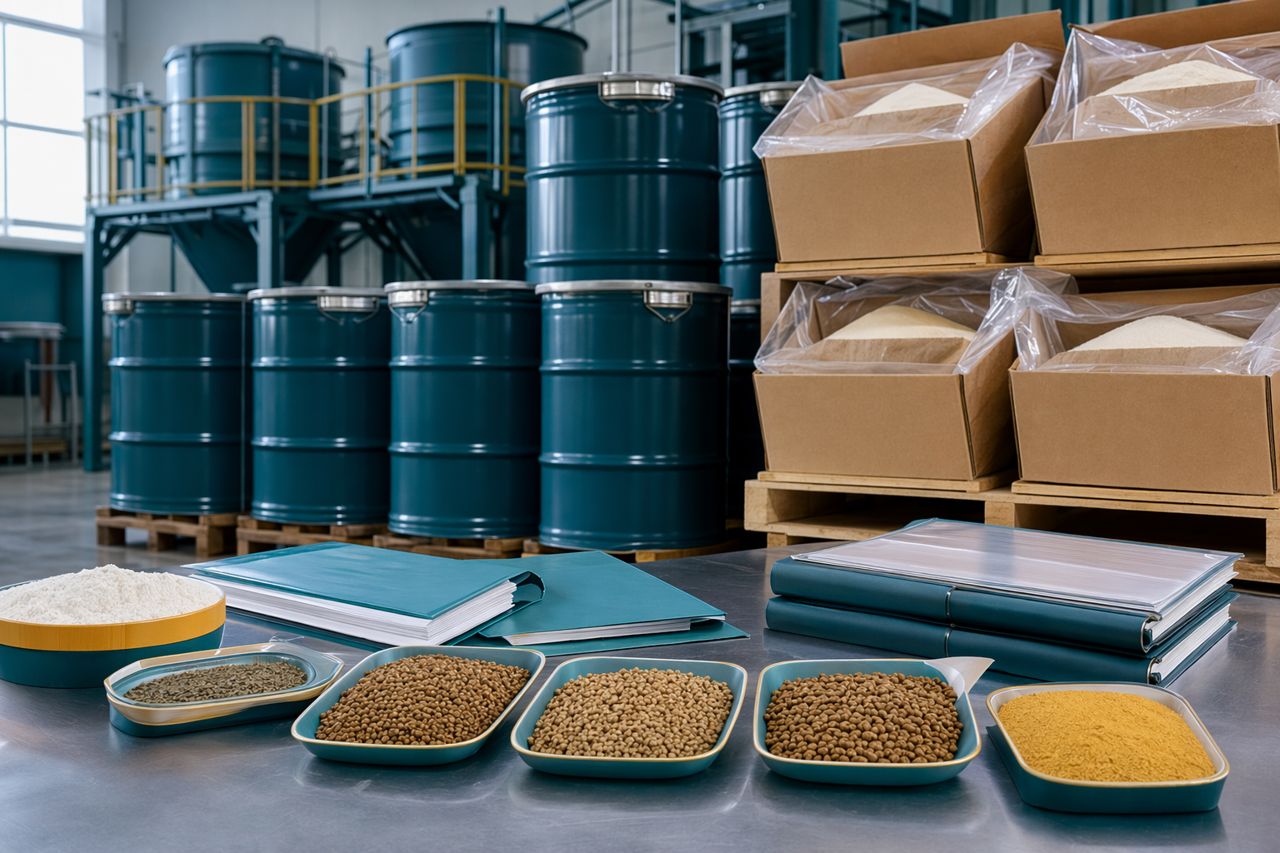
Enzyme supplier for aquafeed manufacturing
Enzymesprime supplies enzymes to aquafeed manufacturers, premix companies and feed-ingredient distributors: phytase, protease, xylanase, mannanase and multi-enzyme blends for fish and shrimp feed, chosen around the diet, the species and the way your mill processes the feed.
Nutrition teams are asked to do more with variable plant proteins, tighter mineral budgets and stricter cost-per-tonne targets. The right enzyme programme releases nutrients already present in the formula and gives purchasing more freedom in the ingredient basket, so long as it survives the mill's own process.
Wholesale and bulk supply for manufacturers and resellers, quoted per order. To get a quote, send three things through the quote form: the product or enzyme type, the quantity, and the destination country.
Who we supply
- Fish and shrimp feed mills running extruded or pelleted lines.
- Premix and micro-ingredient companies that build enzyme blends into their own products.
- Feed-ingredient distributors and resellers who need a dependable source for repeat orders.
- Nutrition groups and integrators planning trials across several sites.
We work with business buyers only. Pack size, minimum order and lead time are quoted per order, against your volume and destination.
Enzyme buying should start with the formula, not the catalogue
Every aquafeed line has its own constraints: species, life stage, inclusion limits, thermal exposure, pellet durability targets, oil coating practice and ingredient variability. We treat enzyme selection as a formulation and manufacturing decision, not a commodity add-on.
Before we quote, we look at:
- Target species and feeding stage: fish, shrimp, starter, grower, finisher or broodstock feeds.
- Raw-material profile: soybean meal, rapeseed meal, sunflower meal, wheat by-products, corn gluten, pulses and other plant inputs.
- Nutrient opportunity: bound phosphorus, protein digestibility, fibre-linked viscosity and non-starch polysaccharide load.
- Process fit: dry or liquid application, extrusion or pelleting conditions, coating sequence, storage and finished-feed handling.
- Commercial objective: FCR support, phosphate reduction, fishmeal replacement strategy, margin protection or feed-label consistency.
Fish and shrimp do not use nutrients in the same way, so the recommendation also follows the species group, the feed type and the stage, from starter and nursery feeds to grow-out.
Core enzyme solutions for aquafeed mills
| Enzyme class | Formulation role | Buyer value |
|---|---|---|
| Phytase | Helps release phosphorus bound by phytate in plant ingredients | Supports mineral cost control and can reduce dependence on inorganic phosphate sources |
| Protease | Helps improve access to dietary protein and amino acids | Supports high-performance diets where fishmeal is limited or plant proteins vary |
| Xylanase | Targets arabinoxylan-rich fiber fractions in cereal and co-product streams | Helps manage viscosity and nutrient access in formulas using wheat-based or fibrous ingredients |
| Mannanase | Targets mannan-rich fractions in soybean and selected plant meals | Supports nutrient availability and consistency in plant-forward aquafeed formulations |
We supply single enzyme classes or work out blend logic where the formula has several substrate targets. The aim is simple: match the enzyme to the ration problem, the process window and a feed objective you can measure.
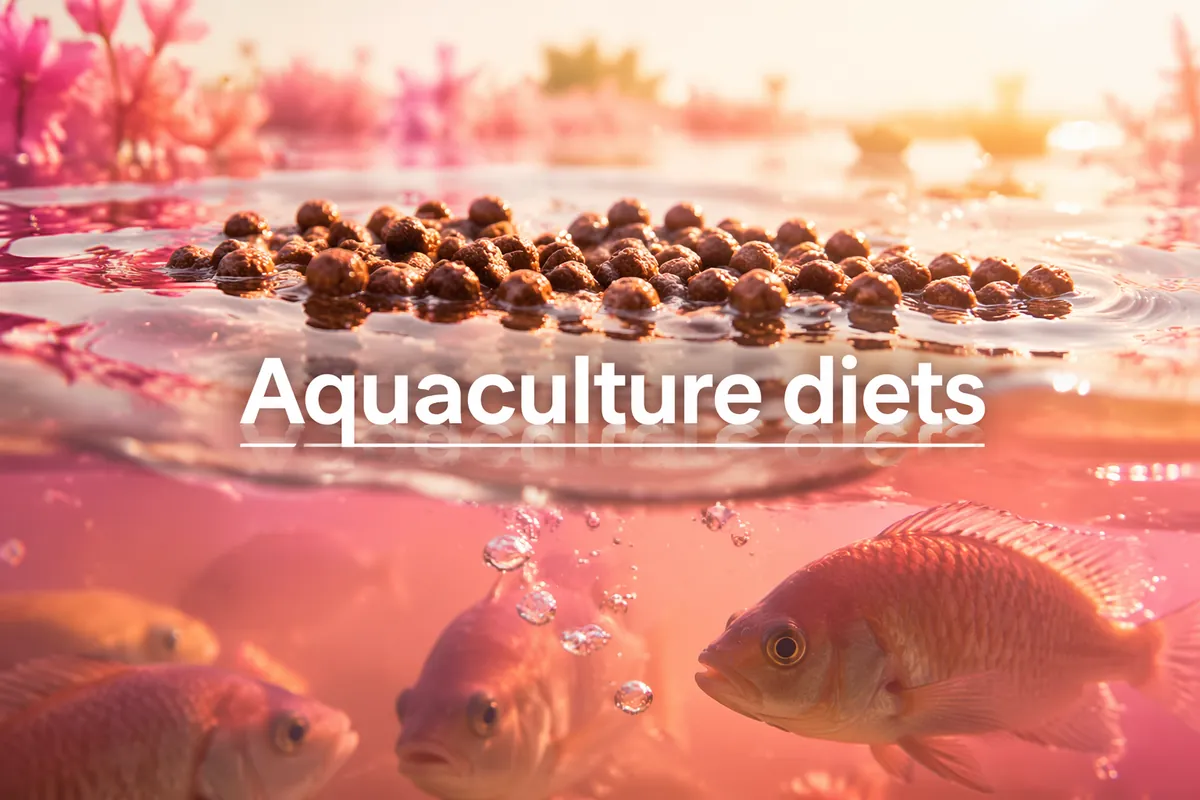
Designed for plant-protein flexibility
Aquafeed mills rely more and more on plant proteins to control cost and secure supply. That flexibility brings phytate, fibre complexity, anti-nutritional pressure and digestibility swings. Our enzyme programmes help nutritionists manage those constraints without losing pellet quality or species-specific performance.
Typical requests:
- Reviewing phytase strategy when phosphate prices or availability shift.
- Supporting amino acid release in lower-fishmeal diets.
- Managing cereal and by-product fibre effects in floating or sinking feeds.
- Holding results steady when plant meal quality changes by origin or season.
- Building enzyme programmes for shrimp, freshwater fish and marine species feeds.
Manufacturing fit matters
An enzyme that looks right on paper still has to work in the mill. We support procurement and technical teams with documentation and application guidance, so a purchase moves cleanly from lab discussion to production planning.
- Format options for premix, mixer, conditioner, post-pellet or coating workflows.
- Stability and handling guidance for aquafeed production environments.
- Compatibility discussion for minerals, organic acids, oils, binders and premix systems.
- Batch traceability and quality documentation for B2B procurement teams.
- Supply planning for recurring production, seasonal demand and multi-site operations.
How a recommendation and quote work
- You send the product or enzyme class, the quantity and the destination, plus species, stage and feed format if you have them.
- We review the ingredient matrix, the nutrient or digestibility objective and the addition point: premix, liquid or post-extrusion coating.
- We check thermal exposure on your line, because heat decides the format.
- We reply with a recommendation and a quote for the volume and delivery cadence you need.
- Where a trial makes sense, we help you set the baseline, the checkpoints (feed intake, pellet behaviour, FCR trend, nutrient retention, cost) and the review before routine purchasing.
Why aquafeed manufacturers and distributors work with Enzymesprime
- Aquafeed-specific formulation thinking: recommendations are framed around fish and shrimp ration challenges.
- Technical support for buyers: clear documentation, practical process guidance and fast specification review.
- Supply built for repeat orders: recurring mill and distributor demand, not one-off retail purchases.
- Ingredient flexibility: useful when plant proteins, by-products and mineral inputs change.
- Commercial discipline: recommendations tied to feed economics, FCR objectives and finished-feed consistency.
Request a quote
Tell us what your mill or your customers are formulating, the substrate challenge and how the enzyme will be applied on line. Use the quote form on this page and include:
- The product or enzyme class: phytase, protease, xylanase, mannanase or a blend review.
- The quantity per order or per month.
- The destination country.
- Target species, feed stage and main formulation constraint.
- Preferred format and application point.
- Documentation your procurement or quality team needs.
Wholesale and bulk supply, quoted per order. Request a quote